






What Happens to Victoria & Albert After ‘Victoria’ Season 3 Finale? A History Lesson

What To Know
- The Season 3 finale of Victoria ends with Prince Albert collapsing, mirroring his real-life health struggles.
- In real life, Albert died in 1861, leaving Victoria devastated.
- The series also explores the complicated dynamic between Victoria and Lord Melbourne.
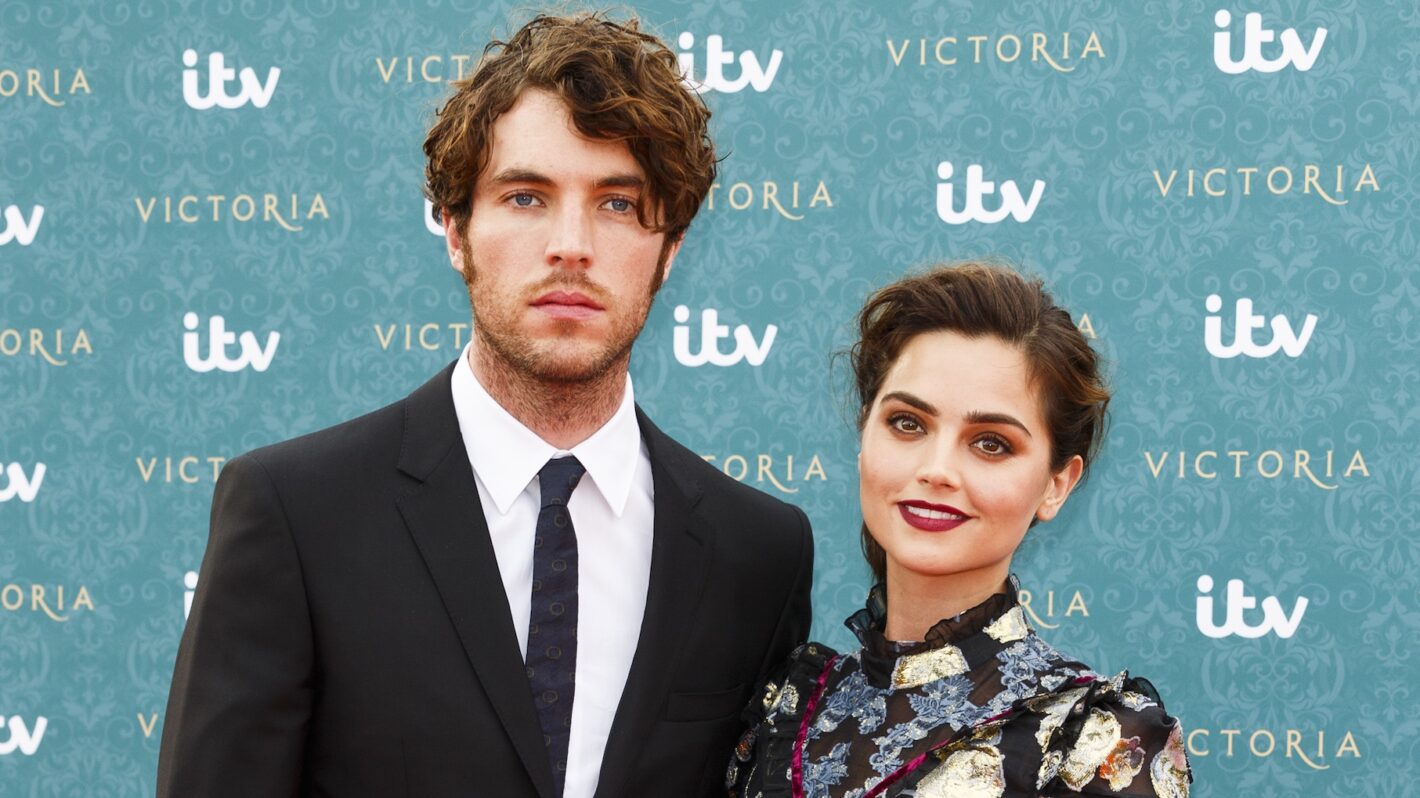
The Season 3 finale of Victoria had us gasping, with our beloved hubby collapsing in his wife’s arms. What happened to Queen Victoria (Jenna Coleman) and Prince Albert (Tom Hughes) after that dramatic finale? Was Albert truly Victoria’s only love? We have questions, and it looks like it’s time to consult the history books.
First things first: Victoria isn’t officially over. Sure, we haven’t seen anything since that jaw-dropping finale, which aired in 2019, but the show is technically on hiatus. No one’s pulled the plug. The cliffhanger was intentionally set up for a potential Season 4, so there’s still hope. Let’s stay delightfully delulu and imagine it returning, especially now that it’s streaming on Netflix.
Grab a steaming cuppa tea because it’s time to dig in.
Are Victoria and Albert still together at the end of Victoria?
The Season 3 finale takes place about 10 years before Albert’s death, historically speaking. Albert has been burning the candle at both ends in a desperate bid to prove himself. Everyone remains skeptical about the Great Exhibition, and ticket sales are sluggish, until Victoria steps in to cut the opening ribbon. That’s all it takes. Suddenly, tickets are flying.
Lots of other stuff happens, including a woman being low-key held captive in her home, but Vicky and Albie are doing great.

PBS / ITV / Everett Collection
After the successful event, Victoria finds Albert on the balcony, gazing at his Crystal Palace creation in the distance. She tells him, “It was a day to live forever,” an actual quote from Queen Victoria herself! But the stress of endless workdays, sleepless nights, skipped meals, and icy hands finally catches up to Albert. After a tender kiss from Victoria, he collapses on the floor. Victoria screams, looking around for help, but no one comes.
What happens to Albert?
This part of the show isn’t far off from reality: Albert did overwork himself leading up to the Great Exhibition, which caused real health issues. In a letter to Victoria’s mother written just two weeks before the event, he admitted, “Just at present I am more dead than alive from overwork.”
But the show’s dramatic collapse? Probably a bit of artistic license. In 1851, the year of the exhibition, the royal couple was in their prime — Albert wouldn’t die until 1861. Over the years, Victoria noted him feeling “poorly,” enduring “a bad night, not sleeping a wink,” and experiencing a “great languor & feverishness,” culminating in a particularly “painful attack” in 1859. Historians are still unsure what exactly caused his symptoms, though they likely contributed to his early death at just 42.
But there’s some tea, as Prince Albert’s cause of death remains surprisingly debated. His death certificate lists “typhoid fever: duration 21 days,” but experts have suggested he may have actually suffered from Crohn’s disease or stomach cancer, the latter having claimed his mother at age 30 and fitting his long-term painful symptoms.
In the final years leading up to 1861, Albert was working tirelessly, juggling private and public duties and being deeply involved in Victoria’s decisions. After the death of Victoria’s mother, the Duchess of Kent, in March of that year, he even took over most of her duties while supporting his grieving wife. Coupled with the recent deaths of three of his cousins and lingering stomach issues from previous years, Albert’s health and spirits were steadily declining.
Did Victoria remarry after Albert’s death?
Whatever ultimately caused Albert’s death, one thing is unmistakably clear: Queen Victoria was shattered by the loss of her “dear Albert.” She plunged into lifelong mourning, dressed in black until the day she died, and earned the somber nickname “the Widow of Windsor.” Her grief also curdled into blame. Victoria held Bertie — the future Edward VII — responsible for his father’s decline, convinced that her son’s scandalous affair had stressed Albert into an early grave. She later wrote to her eldest daughter, Vicky, “I never can or shall look at him without a shudder.” (In the series, tiny Bertie is played adorably by Laurie Shepherd, which makes the historical tension even more brutal.)

PBS / ITV / Everett Collection
Throughout the 1860s, Victoria leaned heavily on John Brown, a loyal Scottish manservant whose bluntness and devotion became her emotional lifeline. Rumors exploded: whispers of a romance, even a secret marriage, filled newspapers, and critics snidely referred to her as “Mrs. Brown.” But Brown also literally saved her life during yet another assassination attempt in 1872, which helped revive her waning popularity. After Brown died in 1883, Victoria began writing a glowing biography of him — until advisors begged her not to publish it, fearing it would only fan the flames of the rumored love affair. Talk about tea.
Did Victoria and Lord Melbourne have an affair?
IRL, Queen Victoria and Lord Melbourne shared a famously close and influential relationship during the early years of her reign. As her first Prime Minister, he became her political tutor and emotional anchor, a bond many described as father-daughter, though the sheer intensity of their connection sparked plenty of gossip at the time.
PBS / ITV / Everett Collection
Victoria adored him, calling him “Lord M,” and spent so much time in his company that rumors of a romantic attachment (and even marriage) spread through the public. She was heckled as “Mrs. Melbourne,” and cartoonists had a field day imagining the pair as a couple.
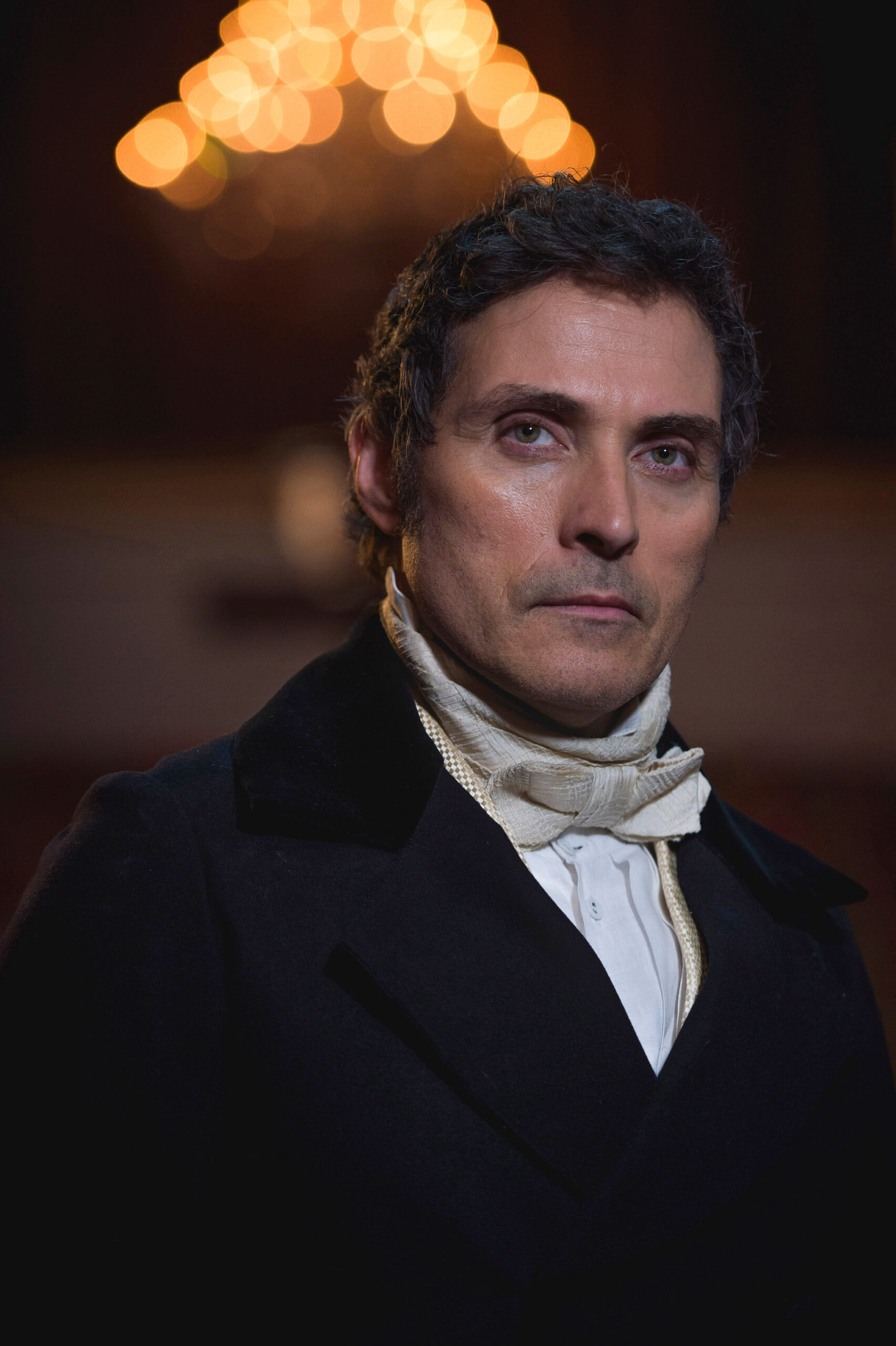
The TV series Victoria, created by Daisy Goodwin, leans harder into the “forbidden romance” angle. The show portrays the two as deeply infatuated, even imagining a scene in which Victoria proposes to Lord M (Rufus Sewell) in his garden — something with zero historical evidence behind it. In reality, while their affection was undeniably strong, it was almost certainly rooted in something far more paternal. Victoria had never known her own father, and Melbourne, much older and world-weary, seemed to love her in the same protective, guiding way.
Victoria, All Seasons, Streaming Now, Netflix