






Was Jane Austen Married? A Deep Dive Into the Mother of Literary Romance
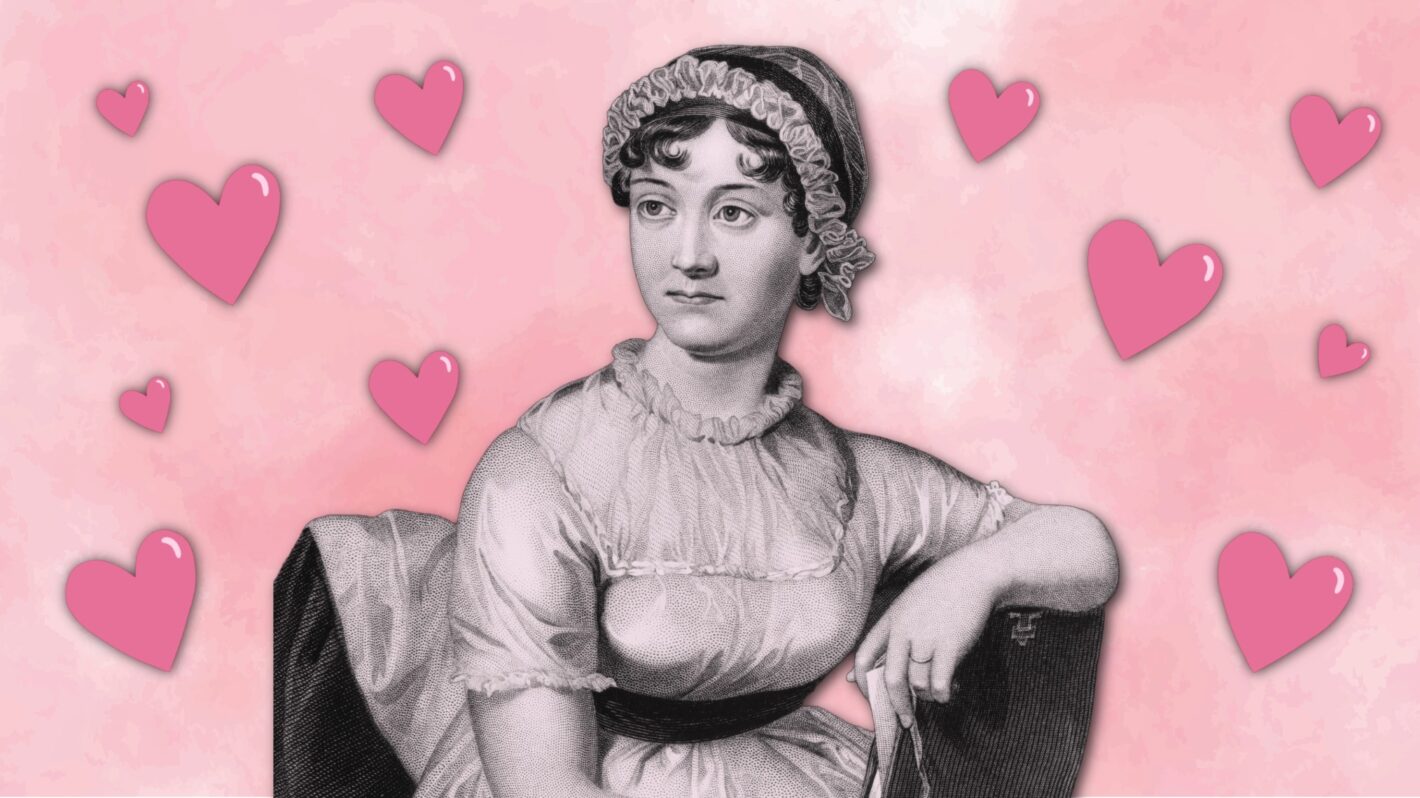
Responsible for some of the most swoonworthy tales of all time, one of the most persistent questions about literary great Jane Austen is her relationship status. Did Jane Austen ever marry? Was she secretly queer? How did the world’s leading romance writer remain single by the standards of her century?
The fact that Austen remained unmarried her entire life, while her heroines enjoyed both romantic bliss and financial security, is one of English literature’s greatest ironies. We can’t help but wish that Lizzy and Darcy were drawn from her own experiences — if only so we could daydream about stumbling into our own Austen-worthy love story.
With Austen’s 250th birthday on December 16 and renewed interest in her greatest works, a new Pride and Prejudice adaptation in the making, and Sense and Sensibility returning to theaters, we’re diving into the woman behind the pen… and pondering whether a love interest ever stood behind her, quietly offering cups of tea as she wrote.
Did Jane Austen ever get married?
Nope, Austen never tied the knot. But she did come so close.
In December 1802, while Jane and her sister Cassandra were staying with friends, the Bigg sisters, at Manydown in Hampshire, their younger brother, Harris Bigg-Wither, decided to strengthen the family connection… by proposing to Jane.
Although Harris was six years her junior, Jane initially accepted. But after what must have been a night of tossing and turning, she rescinded the engagement the very next morning and made a hasty retreat by carriage back to Steventon, then on to Bath. Yikes.
Who was Jane Austen’s true love?
Austen had a fascinating relationship history. At 19, Austen met Thomas Lefroy, an Irish nephew of a family friend. They attended several parties together, and Jane wrote to Cassandra about their frequent flirting and dancing. A few months later, she hinted in another letter: “I rather expect to receive an offer from my friend in the course of the evening.” Whether this was a marriage proposal remains speculation, but the youthful attraction ended shortly afterward.
What happened to Lefroy? He returned to London and, in 1796, became engaged to Miss Mary Paul, the sister of a friend; they married two years later. He went on to become Lord Chief Justice of Ireland. Years later, when asked about Austen, he admitted he had loved her — though he qualified it as “a boyish love.”
There’s also a more mysterious tale: A seaside romance with a young clergyman during one of the Austen family summer breaks in Bath. Their infatuation blossomed over weeks, and they planned to meet the following year. Tragically, when the reunion was due, news arrived that the clergyman had died during the intervening period.
Either one of these men could have been Austen’s true love… or neither of them.
Was Jane Austen queer?
Before her ghost comes to haunt us, let’s be clear: There is no concrete evidence that Austen was queer. But also, nothing would be wrong with that.
By all accounts, Austen was attractive, prim, and demure — the epitome of a “proper” woman of her era. And while we hate the dreaded “Why are you single?” question (having endured it ourselves), it’s a fair one for that time period. Austen had suitors, an engagement, and plenty of charm… so why didn’t she marry?
Some see her canceled engagement as a clue. Others suggest that if she were a lesbian, she may have rejected it outright, or perhaps she would have gone through with it for financial security while privately enjoying freedom in her personal life. Similar to what Mabel was planning to do on The Buccaneers in Season 1.
Of course, we may never know. Much of the potential evidence was destroyed. In one of history’s greatest acts of literary vandalism, Cassandra burned the majority of Austen’s correspondence, letters that may have revealed more details about her personal life.
How did Jane Austen’s marriage status impact her books?
Austen is famed for her romantic masterpieces — Sense and Sensibility (1811), Pride and Prejudice (1813), Mansfield Park (1814), and Emma (1816). Her enduring popularity comes from her heroines, who, despite being two centuries old, still act as romantic beacons for the modern reader. They defy societal expectations, marrying for love rather than money, though sometimes those two align like hot, rich Darcy.
And yet, Austen herself was never happily wedded. This has led many to wonder: How could a woman so enamored with love never pursue it herself?

The truth may lie in practicality. Back then, marriage could have been a risk to the most enduring relationship Austen had ever known: Her relationship with her own writing. A husband may well have expected her literary pursuits to cease, and the demands of a household could have stifled her creativity.
In reality, Austen’s unmarried status likely gave her the freedom and time to cultivate the extraordinary talent that continues to captivate readers today. Perhaps, in remaining single, she ensured that the world would inherit her brilliant, swoonworthy stories — a different kind of love story, but one that endures far longer than any fleeting romance.
Rather than making more assumptions, we’d love to know your favorite Jane Austen book in the comments!